You might be forgiven for ignoring the small flowers in your garden and their potential for big tastes in your kitchen. Large organic cabbages or ginormous heirloom tomatoes tend to capture your attention more, be it in a large container or an acre or ten. If you can’t grow the exotics, either because of your climate or your tendency to kill every plant that crosses your threshold, try growing rosemary and thyme in pots.
The use of flowers as flavoring for food and medicine, in particular rose and orange dates to the very first written cookery books. These books no doubt recorded centuries-old practices already extant at the time of their writing. You’ll find examples of this usage in Ibn Sayyār al-Warrāq's tenth-century cookbook, translated and annotated as Annals of the Caliphs’ Kitchens (2007) by Nawal Nasrallah.
Ms. Morse begins her discussion of edible flowers with a few caveats: “When in doubt about the edibility of a particular flower, consult a horticultural specialist or an encyclopedia of edible plants.” She also reminds readers to be sure that flowers not be contaminated in any way by pesticides.
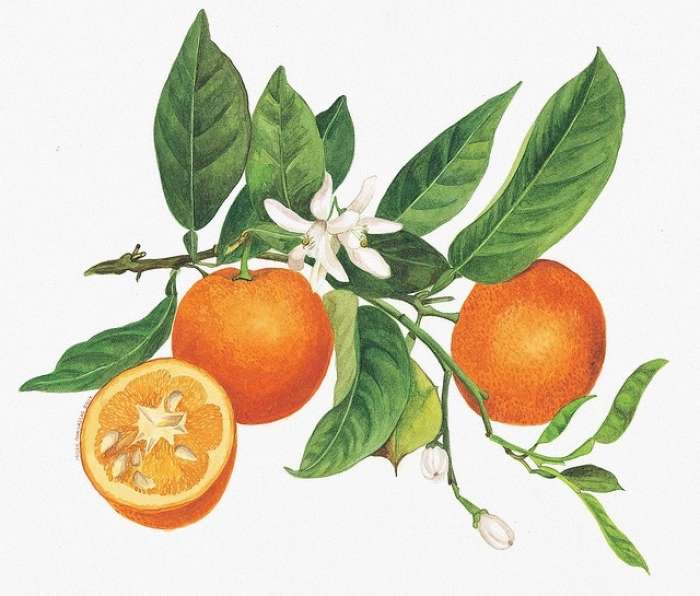
She then moves on to Arugula, winding alphabetically through such floral delights as Begonia, Daylily, and Tulip, along with the usual culinary stars such as Lavender, Orange, and Rose. For most of the flowers, she delves into their history in the headnotes. Take oranges for example. Thanks to the Spanish adventurer, Ponce de Léon, oranges took root in Florida and evolved into an industry worth billions today.
All told, you learn about the history and proclivities of 27 flowers in detail, with brief biographies and portraits of 18 others. There’s a short bibliography, as well as a basic index arranged by flower name and menu terms, such as “Appetizers,” “Entrées,” and “Soups.”
But what of the 37 recipes, which I spent an afternoon sighing over? Rose Petal Sorbet, Rosemary Pizzette, or Chocolate Moussed Tulips.
She relied upon “… my own imagination, and inspiration from my French grandmother. For instance, she used to give me candied mimosa flowers (Mimosa de Nice) and candied violets. . . very French. In fact, I just returned from a trip to Toulouse where violets, candied and otherwise, are the city trademark.”
So varied, so universal, and so appealing are the recipes that you might find it difficult to choose.
I love the flavor of orange water. Therefore, the three recipes requiring orange blossoms grabbed my attention first. Orange blossoms only appear seasonally where I live. I decided on “Mulhalbia: Orange Blossom Custard with Grilled Mangos.” Instead of orange blossoms – except as garnish – I could use orange blossom water and not fuss with the flowers themselves. Ambrosial, I believe, is the word used to describe certain tastes and flavors.
Mulhalbia serves as an apt synonym for “ambrosial.”